

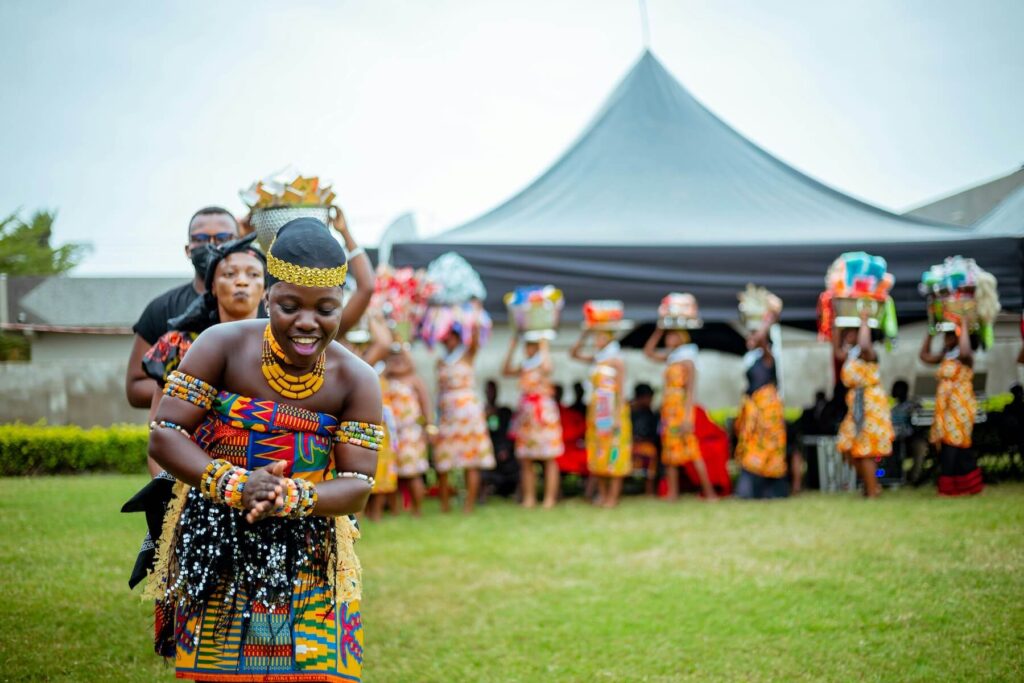
Ghana’s music forms a vivid tapestry spun from modern influences and centuries-old customs. The soundscape of the nation captures cultural conflict and artistic harmony as old melodies mix with contemporary electronic sounds and traditional drumming rhythms cross with hip-hop beats. Platforms like Netplayerwith its wide array of free online radio stations are crucial amid this dynamic change since they help to close the distance between legacy and innovation. They provide a venue where the collision and blending of sounds coexist, therefore enhancing Ghana’s musical character.
The Foundation: Traditional Roots and Highlife’s Legacy
Ghanaian traditional music is an integral part of Ghanaian history and culture. Social rituals and festivities have always included the gyil (xylophone) and other instruments, as well as drumming styles like kpanlogo and adowa. Stories, spirituality, and community unity are conveyed through these indigenous traditions, which go beyond just entertainment.
Early in the 20th century, highlife became a trailblazing genre combining Western instrumentation with African rhythms. Famous people like E.T. Mensah established highlife as a cultural link between the local and worldwide soundscapes by introducing it not just inside Ghana but also on the international scene.
Afrobeats and the Rise of Contemporary Music Trends
Afrobeats has become a major force in recent years, thanks in large measure to Ghana’s creation of this leading music genre with Nigeria. Artists like Shatta Wale, Stonebwoy, and Sarkodie mix dancehall, hip-hop, and pop with African rhythms. Afrobeats’ worldwide popularity shows how Ghanaian music crosses cultural boundaries to draw listeners all around.
However, this contemporary movement has caused arguments over cultural authenticity. Critics counter that conventional genres are being diluted to satisfy commercial needs. Conversely, proponents view it as a creative development whereby Ghanaian musicians honor their traditions while expressing modern reality by using modern genres.
Cultural Tension: Clash or Harmony?
Traditional and contemporary elements coexist in Ghana’s musical culture, which mirrors deeper cultural dialogues. Some conservatives worry about the declining popularity of indigenous music since they fear younger generations will lose connection to their cultural identity. Others, on the other hand, see this development as a crucial phase in maintaining legacy by rendering it relevant to contemporary viewers.
Not unique to Ghana is this conflict. Globally, nations battling globalization go through comparable challenges between preserving legacy and embracing progress. The ability of Ghana’s musical scene to harmonically combine these opposing energies distinguishes it. Ghanaian music thus becomes a paradigm for cultural persistence, proving that customs could change without losing their core.
Collaborations and the Global Impact of Ghanaian Music
Global collaborations now characterize the modern soundscape of Ghana. Regularly working with musicians from the Caribbean, Europe, and North America—Ghanaian artists widen their creative horizons and introduce African sounds to fresh audiences. These partnerships enhance the music and establish a feedback loop whereby foreign influences help define the local music scene.
Using websites like Netplayer gives Ghanaian artists more chances to reach people all around. These venues help to promote cross-cultural interactions, therefore guaranteeing that Ghanaian music keeps changing and relevant on a global scene.
The Future of Ghana’s Musical Identity
With its future influenced by the partnership between traditional legacy and technological innovation, Ghana’s music scene is at an interesting junction. Artists have more tools at their hands to autonomously create, distribute, and advertise their music as digital platforms keep ruling. This democratization of access allows seasoned professionals and fresh ideas to flourish, therefore maintaining the sector’s vibrantness. The difficulty, then, is keeping cultural authenticity while interacting with a quickly changing global soundscape.
The adoption of hybrid genres will determine Ghana’s future soundscape. Older musicians experimenting with fusions like Afropop and Afro-house are reinterpreting classic genres like highlife and hiplife for younger listeners. While some purists worry this could compromise cultural identity, many artists contend adaptation is a means of preserving legacy by rendering it contemporary. Working with foreign bands will help to shape this path by combining hip-hop, EDM and reggae influences with African rhythms.
Fostering Creative Fusion: The Role of Platforms Like Netplayer
Digital venues such as Netplayer offer a virtual meeting ground for this blend of old and new. By means of its vast array of radio stations, listeners can have access to a varied spectrum of music—from traditional folk to modern Afrobeats. These sorts of platforms democratize music access and allow independent musicians to reach listeners without depending on traditional industry intermediaries.
Netplayer’s duty transcends beyond radio station hostings. By curating playlists that combine experimental genres with traditional rhythms to provide a space where both styles coexist, it actively promotes cultural conversation. This helps listeners to value the way different sounds interact, thus resembling a broader cultural balance between honoring heritage and encouraging modernity. For more information regarding Netplayer, you may visit their webpage here: https://netplayer.net/radio.

 Afrikaans
 Albanian
 Amharic
 Arabic
 Armenian
 Azerbaijani
 Basque
 Belarusian
 Bengali
 Bosnian
 Bulgarian
 Catalan
 Cebuano
 Chichewa
 Chinese (Simplified)
 Chinese (Traditional)
 Corsican
 Croatian
 Czech
Czech Danish
 Dutch
Dutch English
 Esperanto
 Estonian
 Filipino
 Finnish
 French
 Frisian
 Galician
 Georgian
 German
 Greek
Greek Gujarati
 Haitian Creole
 Hausa
Hausa Hawaiian
 Hebrew
 Hindi
Hindi Hmong
Hmong Hungarian
 Icelandic
 Igbo
Igbo Indonesian
 Irish
Irish Italian
 Japanese
 Javanese
 Kannada
 Kazakh
 Khmer
Khmer Korean
 Kurdish (Kurmanji)
 Kyrgyz
 Lao
Lao Latin
Latin Latvian
 Lithuanian
 Luxembourgish
 Macedonian
 Malagasy
 Malay
Malay Malayalam
 Maltese
 Maori
Maori Marathi
 Mongolian
 Myanmar (Burmese)
 Nepali
 Norwegian
 Pashto
 Persian
 Polish
 Portuguese
 Punjabi
 Romanian
 Russian
 Samoan
 Scottish Gaelic
 Serbian
 Sesotho
 Shona
Shona Sindhi
 Sinhala
 Slovak
 Slovenian
 Somali
 Spanish
 Sundanese
 Swahili
 Swedish
 Tajik
Tajik Tamil
Tamil Telugu
 Thai
Thai Turkish
 Ukrainian
 Urdu
Urdu Uzbek
Uzbek Vietnamese
 Welsh
Welsh Xhosa
Xhosa Yiddish
 Yoruba
 Zulu
Zulu